Packaging plays a vital role in providing food safety, improving branding marketing value and providing customer experience. Packaging in the food, retail, pharmaceutical and e-commerce industry can have a significant impact on the quality of the product.
One of the key decisions that businesses make is that of rigid packaging versus flexible packaging. Both have their advantages, disadvantages and best uses. We’ll learn about flexible packaging vs rigid packaging and you’ll know which is right for your business.
Rigid Packaging: What is it?
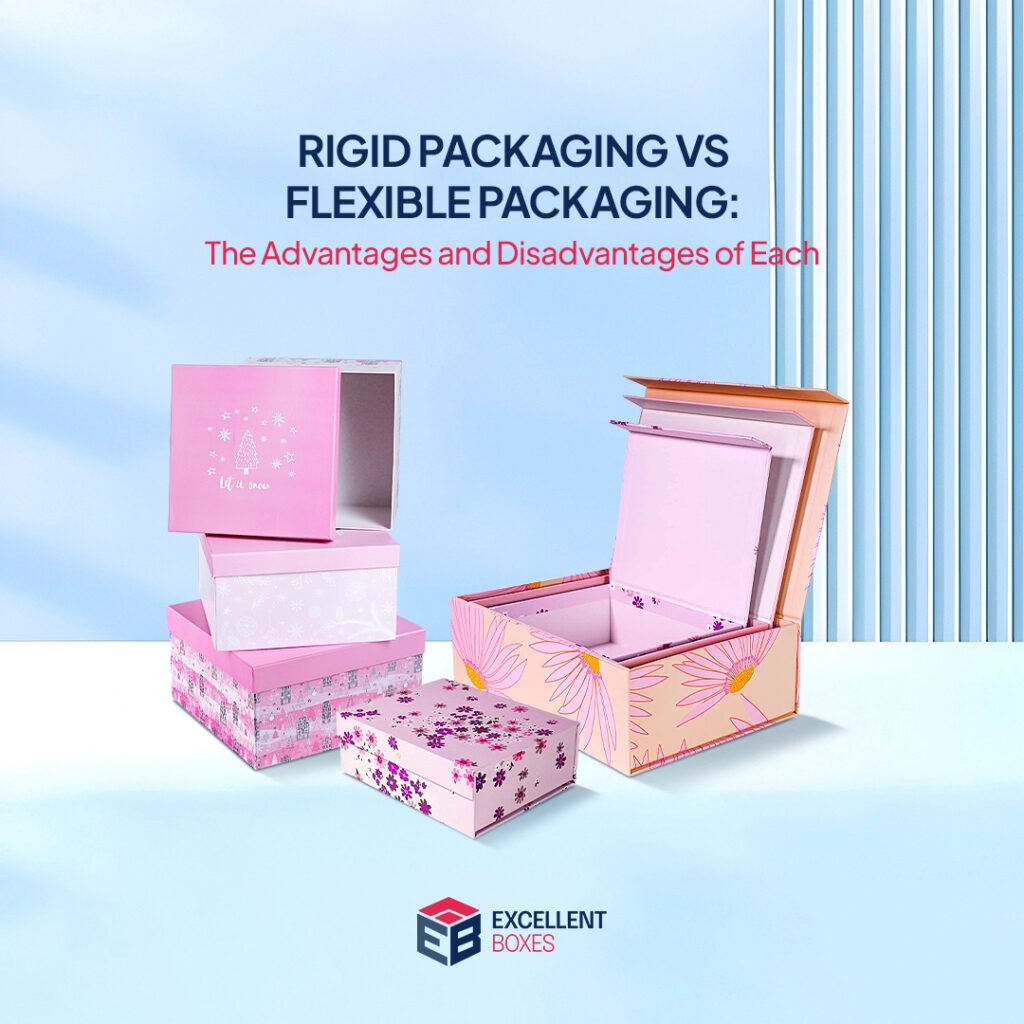
Anyone who has ever wondered on what is rigid packaging is basically referring to a packaging formed from materials of which will not easily yield under external pressure. Rigid packaging does not bend, fold or collapse in normal use unlike flexible packaging.
The scope and aim of a rigid box would be to protect the products completely by offering structure and durability.
Common packaging material for rigid boxes are thick paperboard and corrugated board. They help to ensure that the goods are protected throughout transport and storage.
What Is a Rigid Container?
Rigid containers are variants of containers that stay intact at all times when not full or pressurized. These containers provide superb impact resistance, protection from moisture and of contamination.
Examples include:
- Plastic bottles
- Glass jars
- Metal cans
- Cosmetic containers
- Pharmaceutical bottles
- Premium Rigid Boxes
- Food trays
- Storage bins
For this reason, there are several industries that use rigid containers for goods that it is best to use rigid containers because of their high structural integrity, and for goods that it is also important to present.
Rigid Packaging Examples
The following are the examples:
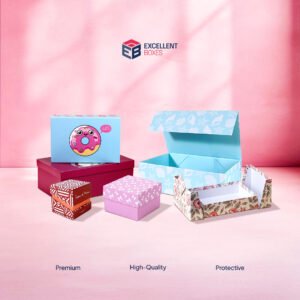
- Luxury gift boxes
- Electronics packaging
- Cosmetic packaging
- Glass beverage bottles
- Plastic detergent bottles
- Metal food cans
- Ice cream tubs
- Bakery trays
- Pharmaceutical bottles
- Jewelry boxes
What is Flexible Packaging?
The flexible packaging is the packaging layer consisting of lightweight materials which can be easily bent, folded or stretched without any loss of the functionality.
Common materials include:
- Plastic films
- Foils
- Paper
- Laminates
- Pouches
- Wrappers
- Sachets
Snack bags, coffee pouches, frozen food packaging, stand up packaging, vacuum sealed- and refill-pouches are all examples of pouches.
Flexible packaging has grown in popularity due to the lower resource consumption which occurs and the benefit of often lower transportation costs.
Key differences between flexible and rigid packaging.
| Feature | Rigid Packaging | Flexible Packaging |
| Structure | Stays in Shape | Foldable |
| Protection | It is Excellent | Moderate |
| Weight | Heavier | Lightweight |
| Shipping Cost | Higher | Lower |
| Storage Space | Requires more | Saves space |
| Shelf Appeal | Premium | Modern and Convenient |
| Reusability | Often Reusable | Usually single-use |
| Sustainability | Often Recyclable and reusable | Material Dependent |
Why Use Rigid Containers?
Rigid containers offer a number of key advantages such as:
1. Superior Product Protection
Rigid packaging provides strong protection against crushing, tearing and impact damage which is suitable for high value or fragile products.
2. Enhanced Brand Image
The premium rigid boxes provide a memorable unboxing experience by enhancing the brand’s popularity.
3. Longer Shelf Life
You can protect your products from contamination and environmental effects by placing them in rigid boxes.
4. Reusability
A wide range of rigid boxes may be reused, helping to minimise waste and provide value to consumers.
5. Flexible to Stack
Easy to stack, rigid containers like retail boxes boost storage efficiency in warehouses and products.
6. Excellent Product Visibility
Consumers can see the product before buying transparent plastic and glass containers.
Rigid Food Packaging
Rigid food packaging is particularly developed to maintain food quality along with protection during food transportation and storage.
Examples include:
- Yogurt cups
- Beverage bottles
- Ice cream tubs
- Microwave-safe trays
- Fresh produce containers
- Bakery boxes
- Dairy containers
- Meal prep trays
Rigid packaging has several advantages such as:
- Improved food safety
- Better moisture protection
- Enhanced freshness
- Leak resistance
- Tamper-evident designs
- Extended shelf life
The respective properties make hard food packaging the perfect choice for fresh, frozen and ready-to-eat foods.

Advantages of Rigid Packaging
There are a number of useful properties when it comes to rigid packaging:
- Maximum product protection
- Premium appearance
- Excellent durability
- Reusable designs
- This is for easy stacking and storing.
- Has high resistance to crushing.
- Better consumer confidence
- Good finish for high-end products
- Improved shelf life for the product.
Disadvantages of Rigid Packaging
- Higher manufacturing costs
- Weight gain which causes shipping cost to be higher.
- Higher material usage
- Decreased flexibility of small-scale transportation.
Advantages of Flexible Packaging
There are a number of reasons why flexible packaging is gaining popularity:
- Lightweight construction
- Lower transportation costs
- Reduced material consumption
- Excellent space efficiency
- Convenient for consumers
- Lower production costs
Disadvantages of Flexible Packaging
- Less protection against crushing
- Can be punctured more easily
- Lower premium appearance
- Limited reusability
- Some multi-layer materials can be difficult to recycle
Which is the best Packaging Solution for Your Business?
There are a few factors to consider when deciding between flexible vs rigid packaging:
If you know you need rigid packaging, pick it out of these options:
- Maximum product protection
- Luxury branding
- Long-term durability
- Premium customer experience
- Better stacking performance
If you choose flexible packaging, you will pay attention to the following factors:
- Lower shipping costs
- Lightweight products
- Space-saving storage
- High-volume production
- Convenience and portability
Large companies are able to incorporate a mix of both types of packaging, depending on the product niche.